EXPERTS IN OUTDOOR & UNDERWATER LIGHTING
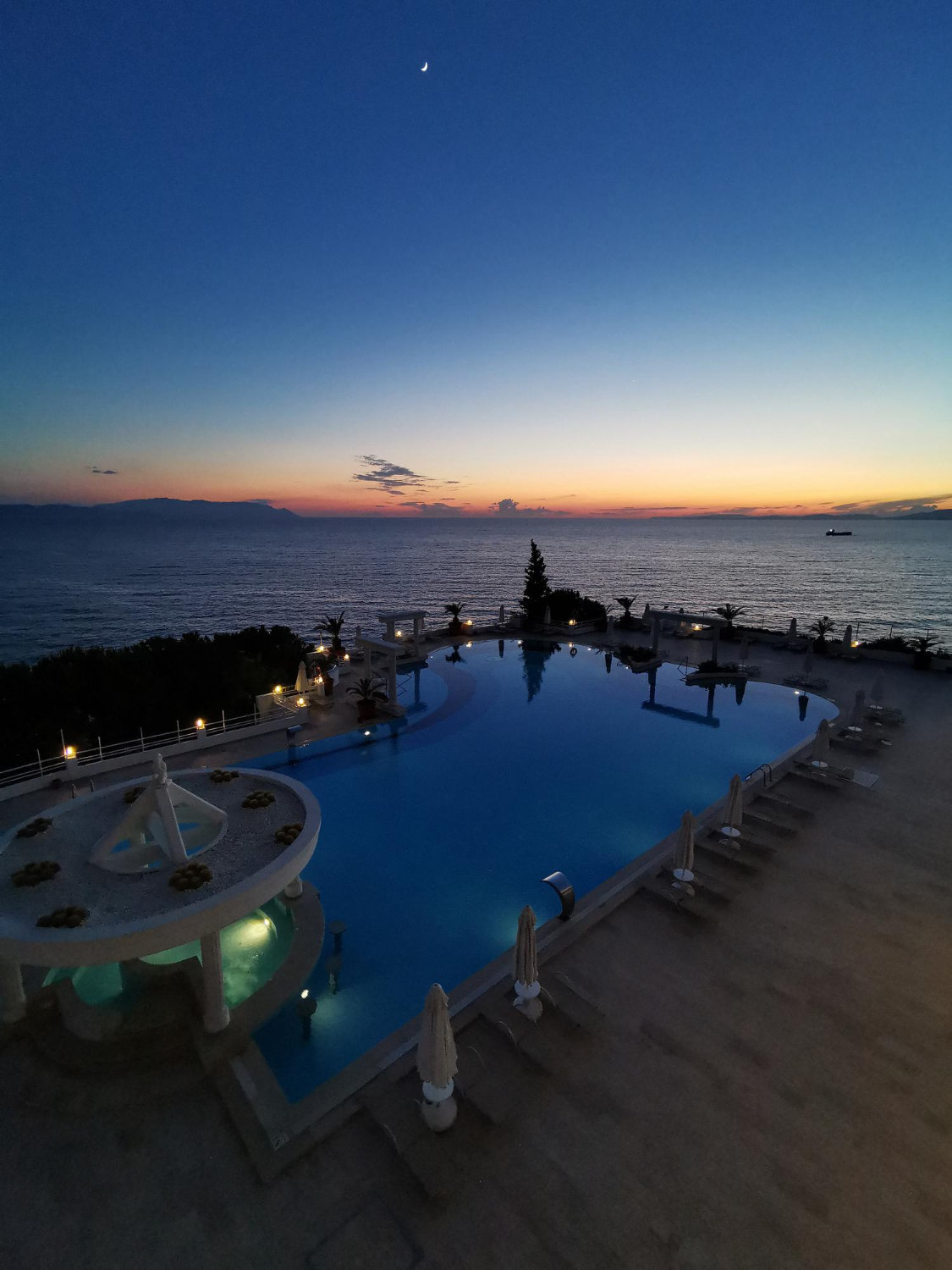
For a truly exclusive pool, it’s the personal touches that make the difference – lighting, for example.
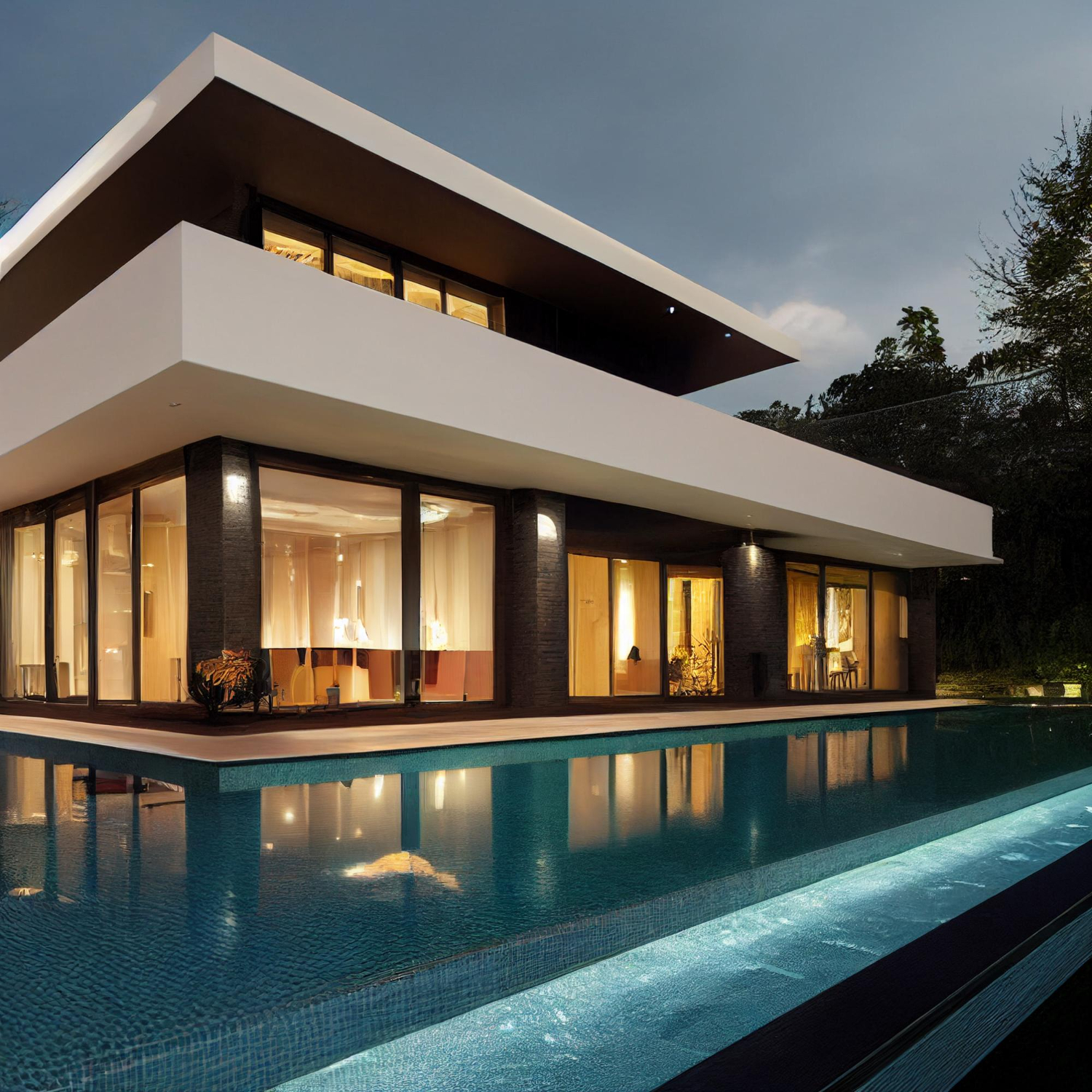
Good lighting can easily become one of the most important parts of a pool’s design. Good or bad lighting can determine whether your pool becomes the star feature of your garden or terrace, by day and by night. The look of your pool, and the feeling it conveys, depend on its lighting.
With well-designed, carefully planned lighting, your pool becomes much more: an oasis, a unique place to relax and enjoy yourself.

Pool lights can be used cleverly to highlight – or play down – different features. Depending on your pool and its accessories, lighting can draw attention to something or make it less noticeable. A beautiful waterfall can be highlighted with a few lights, as can steps or a beach entry. On the other hand, features you’d rather not emphasise, such as an outdoor shower, can be given less presence with the right lighting.
LED OUTDOOR LIGHTING

LED pool lighting brings benefits you may not have considered, including the money you save compared with traditional lighting.
There are several reasons to install LED pool lighting, for example:
- You’ll use your pool more: lights let you make the most of long summer evenings and enjoy the luxury of a night-time swim.
- It creates a stunning effect and atmosphere: the magic of pool lighting creates a unique effect at night, bringing out the beauty, drama and mystery of your pool.
- Better visibility and safety: lighting your pool makes it easier to keep an eye on others, especially children and pets at night. And depending on where you live, some animals could slip into a poorly lit pool without you noticing.
LEDs are generally made from robust semiconductors that withstand use for a long time. Depending on use, LED bulbs can last up to 22 years before they need replacing – surely the best option?
LED pool lighting works by channelling voltage through a semiconductor that emits light. Unlike fibre optics, which need extensive, complex wiring, LEDs are simpler: they just need connecting to a power supply.
LED pool lighting offers lots of possibilities. From surface-mounted spotlights to floating lights, not forgetting submersible LED bulbs. If you use spotlights, consider the size of the pool: if it is longer than 10 metres, one spotlight won’t be enough, so ideally you’d have one at each end. Another option is to install them along the sides; you’ll need more light points, but the lighting will be more even.
The direction of the spotlights also matters: they should ideally point away from the house, to avoid annoying glare indoors. Even so, it’s best to check in each case how the LED pool lighting will affect the rest of the property.
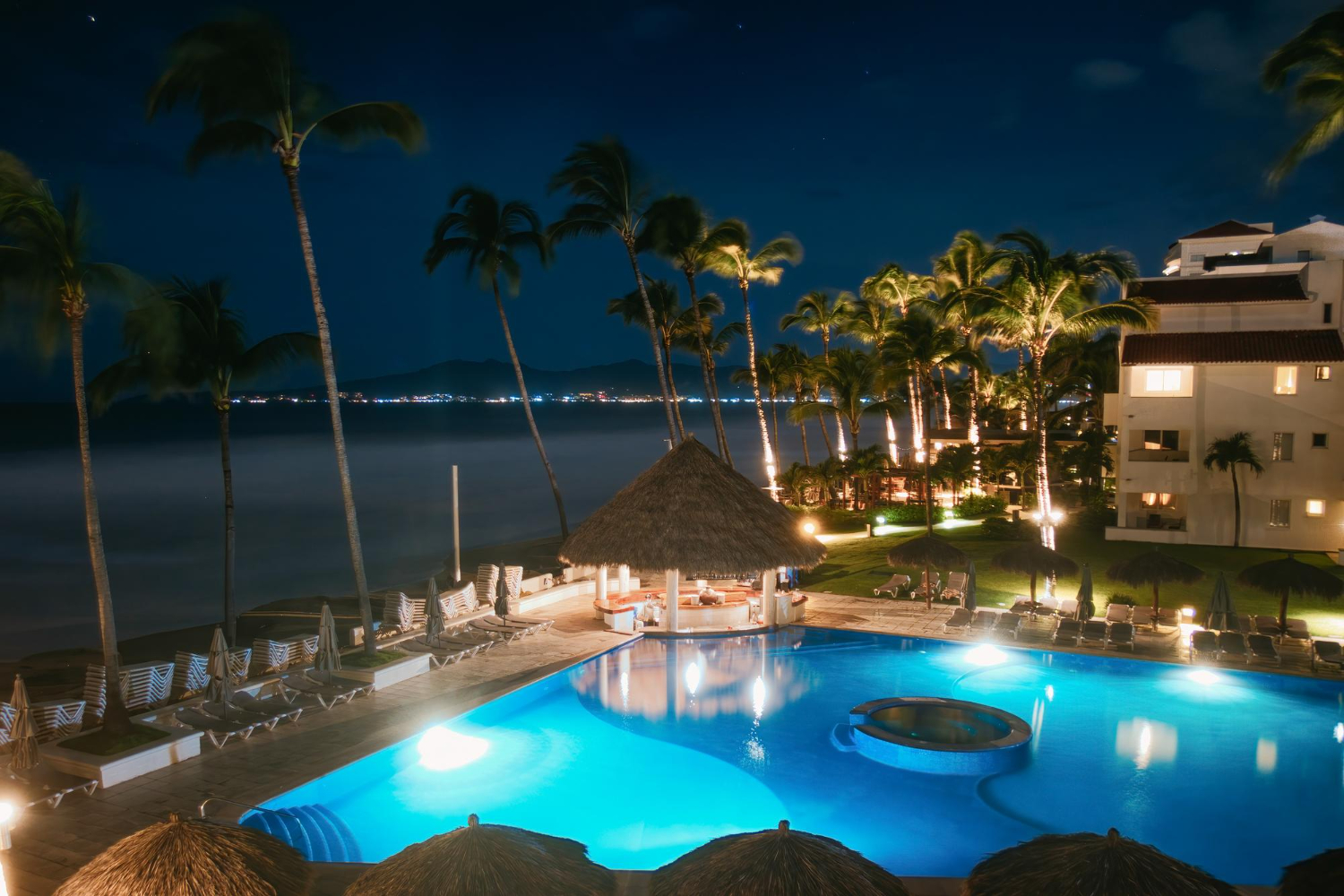
Pool lights can be used cleverly to highlight – or play down – different features. Depending on your pool and its accessories, lighting can draw attention to something or make it less noticeable. A beautiful waterfall can be highlighted with a few lights, as can steps or a beach entry. On the other hand, features you’d rather not emphasise, such as an outdoor shower, can be given less presence with the right lighting.
LED pool lighting offers lots of possibilities. From surface-mounted spotlights to floating lights, not forgetting submersible LED bulbs. If you use spotlights, consider the size of the pool: if it is longer than 10 metres, one spotlight won’t be enough, so ideally you’d have one at each end. Another option is to install them along the sides; you’ll need more light points, but the lighting will be more even.
The direction of the spotlights also matters: they should ideally point away from the house, to avoid annoying glare indoors. Even so, it’s best to check in each case how the LED pool lighting will affect the rest of the property.
WHY CHOOSE LED POOL LIGHTING?
1. Lower energy use and less heat
Because of its lower wattage, an LED pool light uses a fraction of the power of a comparable incandescent bulb. Lower energy use per bulb and built-in heat sinks produce a brighter light than incandescent bulbs could. Less heat also means an LED lasts longer than an incandescent bulb and needs less maintenance.
2. A wide range of colours
LED pool lighting comes in a wide range of colours. Some lights pair with apps that let you customise the colour scheme with a few taps. Others use snap-on filters for a quick change.
3. Greater durability
As with energy efficiency, longevity is where LED pool lights really shine. An LED pool light that gives the same amount of light as an incandescent, or more, while using less energy, has a lifespan of 15 to 20 years.
4. Lower running costs
Think of each LED pool light as an investment. You’ll probably pay a little more up front, but you’ll quickly recover it through energy savings. It’s a long-term investment, because the durability of LED bulbs means you won’t have to replace them as often as incandescent ones.
5. Greater safety
Looks and savings make LED pool lighting a very tempting upgrade. On top of that, it makes getting in and out of the pool safer when everything is well lit, without dim lights to save energy.
Finally, it’s important to note that all LED pool lighting will be in contact with water to a greater or lesser extent, so it should have IP67 protection or higher to guarantee it is watertight. It is also good practice to test the residual-current device on the pool’s electrical circuit, to make sure the electrical protection works and the power cuts out when it should.
HALOGEN / LED UNDERWATER LIGHTING
When it comes to underwater and architectural lighting, there is no hard-and-fast rule. For pools and fountains it depends on the owner, the look they want, the light fittings used… but as a general rule you need even lighting, with the right number of fittings for the installation, taking into account depth, shape and the colour of the pool shell, among other things. That’s why a preliminary study of the project matters: to size it correctly and see the lighting result in advance.
Underwater spotlights
There are countless underwater lighting products on the market, but when choosing one you should consider the following to avoid problems:
Robustness: It’s important to choose products from reputable brands with guaranteed quality.
Water is a very hostile environment, and over long periods underwater, lower-quality products easily develop leaks and faults. That means headaches and significant costs in labour and replacement parts, so we recommend products from reliable, proven manufacturers.
Lenses: Spotlights need lenses to light the water properly, whether in a fountain or a pool. Lenses direct the light where it’s needed. When there is water in between, the lenses matter even more, because water acts like a screen and doesn’t let light through properly.
Colour: Underwater spotlights now come in many colour temperatures: warm (3000K), neutral (4000K) and cool (5700K). There are also multicolour options, RGB and RGB+W (RGB+White), so you can choose the best option for each project.
If you choose multicolour, RGB or RGB+W LED spotlights, they need a control system to manage the colour changes and programmed sequences.
Control systems
LED technology, which allows electronics to be built into light fittings, has expanded the possibilities, functions, colours and control systems available.
There are manufacturers’ own control systems as well as lighting automation standards such as DMX or KNX. With these controls, as well as switching on and off, you can programme different lighting effects, creating endless combinations of up to 16,000,000 colours.
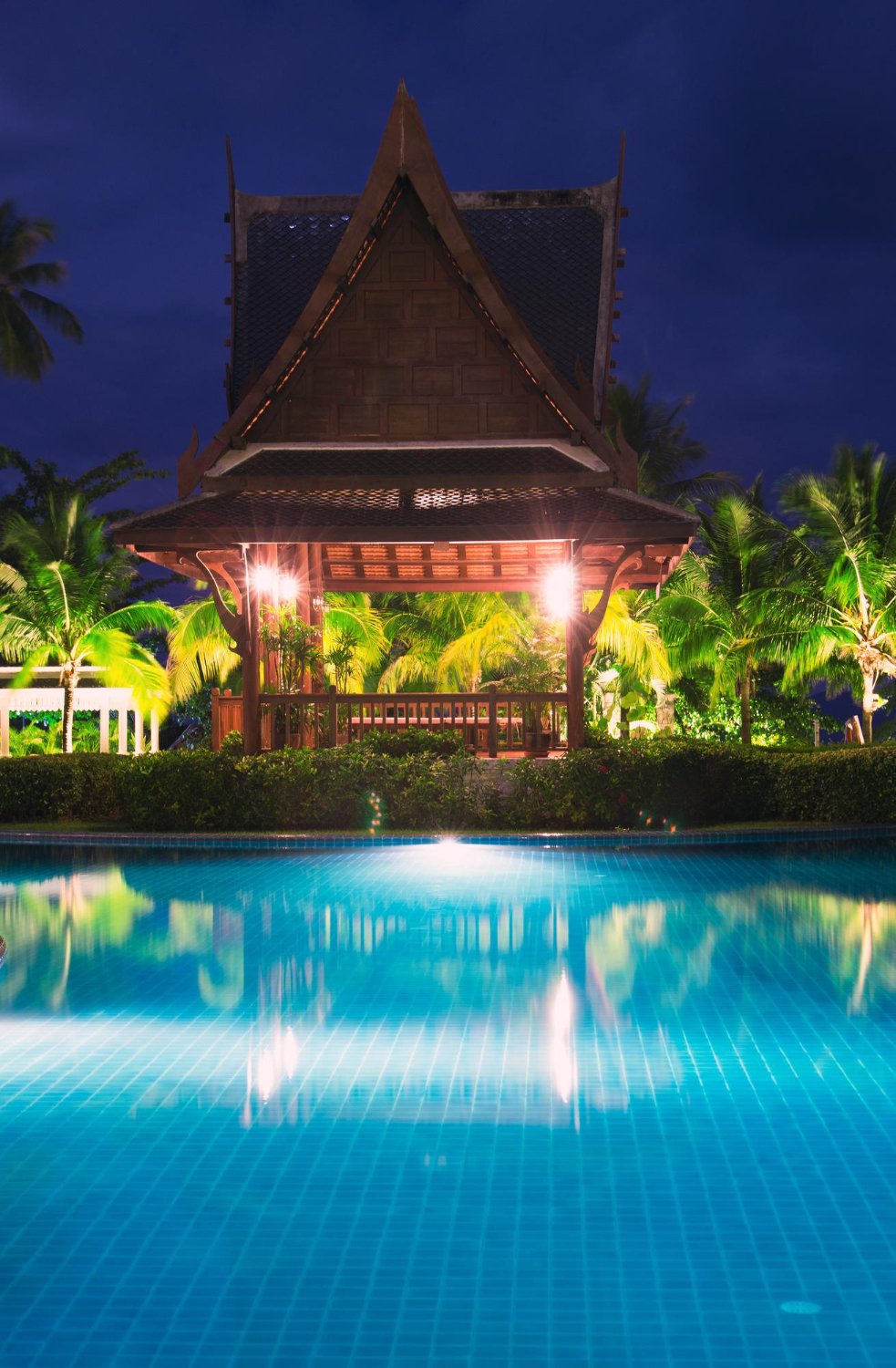
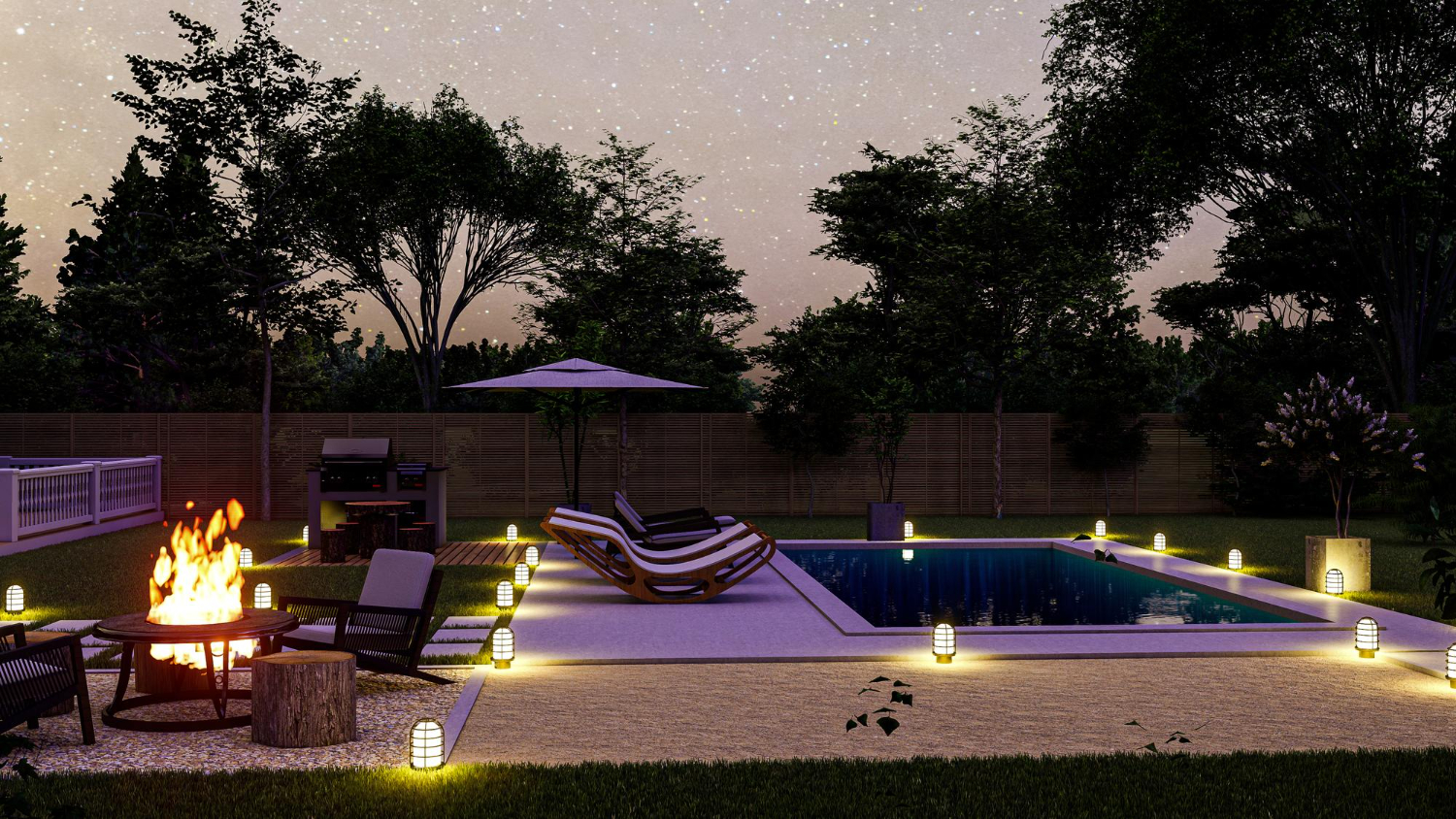
LED underwater lighting
Underwater lighting has become an experience in itself. Its aim is to highlight points of interest, which is why it matters who lights your water features and architectural spaces, and which products they propose.
Our completed projects show that we are a technically qualified company, with quality, versatile products to meet the needs of the most demanding projects in the sector.
Differences between LED underwater pool lights and halogen lamps
When it comes to underwater and architectural lighting, there is no hard-and-fast rule. For pools and fountains it depends on the owner, the look they want, the light fittings used… but as a general rule you need even lighting, with the right number of fittings for the installation, taking into account depth, shape and the colour of the pool shell, among other things. That’s why a preliminary study of the project matters: to size it correctly and see the lighting result in advance.
Differences between LED underwater pool lights and halogen lamps
Underwater spotlights
There are countless underwater lighting products on the market, but when choosing one you should consider the following to avoid problems:
Robustness: It’s important to choose products from reputable brands with guaranteed quality.
Water is a very hostile environment, and over long periods underwater, lower-quality products easily develop leaks and faults. That means headaches and significant costs in labour and replacement parts, so we recommend products from reliable, proven manufacturers.
Lenses: Spotlights need lenses to light the water properly, whether in a fountain or a pool. Lenses direct the light where it’s needed. When there is water in between, the lenses matter even more, because water acts like a screen and doesn’t let light through properly.
Colour: Underwater spotlights now come in many colour temperatures: warm (3000K), neutral (4000K) and cool (5700K). There are also multicolour options, RGB and RGB+W (RGB+White), so you can choose the best option for each project.
Differences between LED underwater pool lights and halogen lamps:
A halogen lamp produces light through a tungsten filament, whereas an LED is a light-emitting diode. Halogen lamps are generally less bright: a 55W halogen gives just over 1,000 lumens, while a 20W LED can reach 3,000–4,000 lumens. Secondly, a halogen lamp lasts about 500 hours, while an LED can theoretically last more than 50,000 hours. Last but not least, halogen lamps offer limited colours: the colour is usually changed by swapping the lens, which is expensive and time-consuming, so most people only change it if they really have to. With LED, you change the colour at the press of a button.
Although halogen lights are cheap to buy and maintain, LED pool lights are the way forward, and the whole lighting industry is heading in that direction. LED pool lights need no maintenance, are cheaper to run, come in a wide range of easily changed colours and can be connected to automation systems.
TOTAL POOL is your trusted installer of underwater pool lights. We can supply the best underwater light for your pool, whether LED or halogen.